The Innocents of Fort George
A Forensic and Historical Analysis of the 1916 Guernsey Grenade Incident
1. The War Comes Home
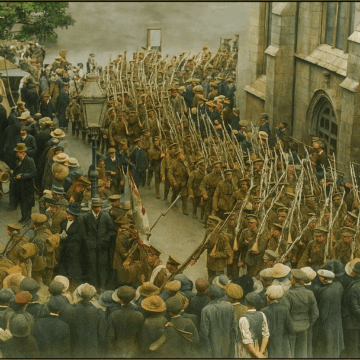
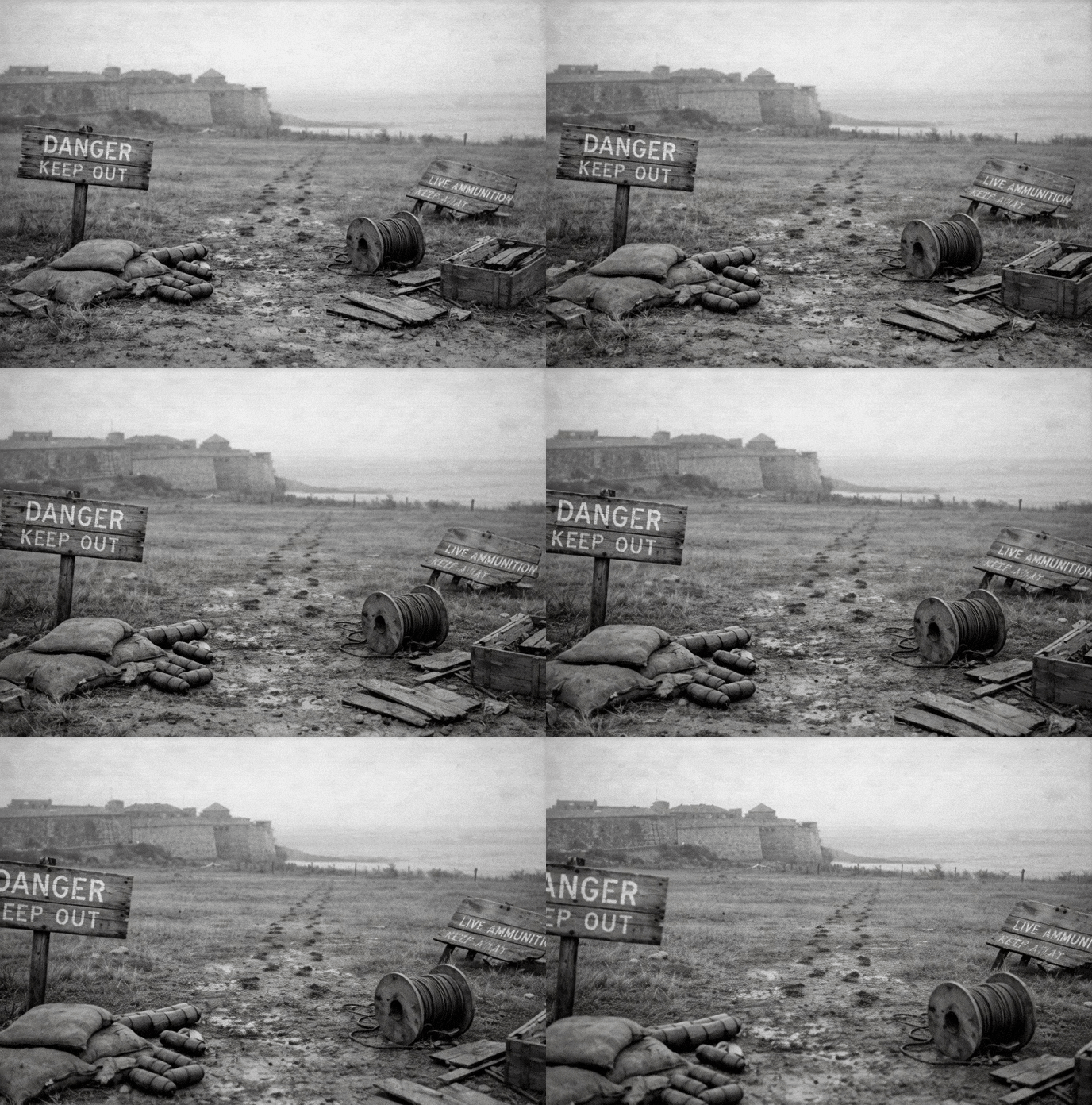
In early 1916, Guernsey was a fortress island. The rattle of musketry and the boom of artillery were the backdrop to daily life. Fort George was the epicenter, housing the 4th (Extra Reserve) Battalion of the North Staffordshire Regiment.
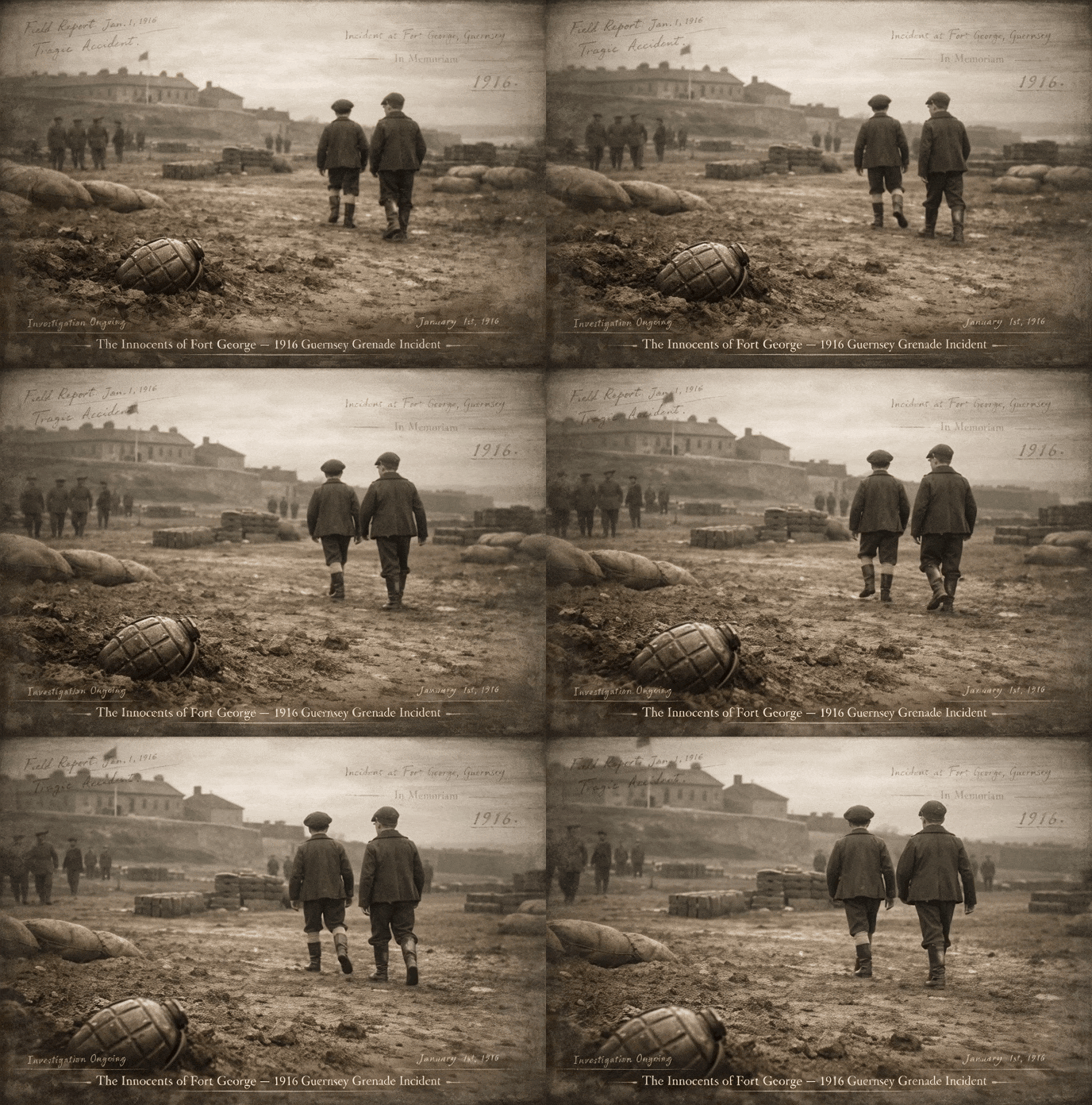
On Sunday, February 13, 1916, the war spilled over into civilian life. Arthur Dickson (9) and Harry Bateman (8), children of garrison staff, discovered a unexploded Mills bomb in a field where they were collecting kindling. The area was unfenced, unguarded, and littered with the debris of trench warfare training.
2. Forensic Analysis: The Mills Bomb
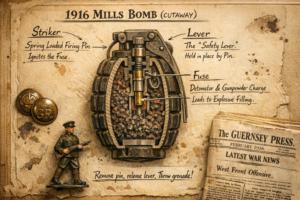
The Mechanism of Failure
The boys likely found a “blind”—a grenade that had been thrown during practice but failed to detonate in the soft mud. The striker mechanism would have been hung, precariously poised to fire.
- The Error: Corporal Matthews testified that when grenades failed to explode, “others were thrown at it” and it was assumed destroyed.
- The Trigger: As the boys walked home, the grenade was dropped. The impact jarred the striker, causing instantaneous detonation.
3. The Medical Scandal: Tetanus and Supply Chains
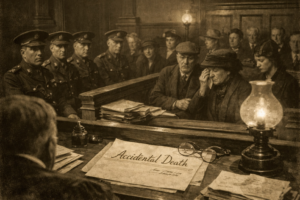
Harry Bateman died within 24 hours from massive abdominal trauma. However, Arthur Dickson’s death revealed a darker failure of the Home Front.
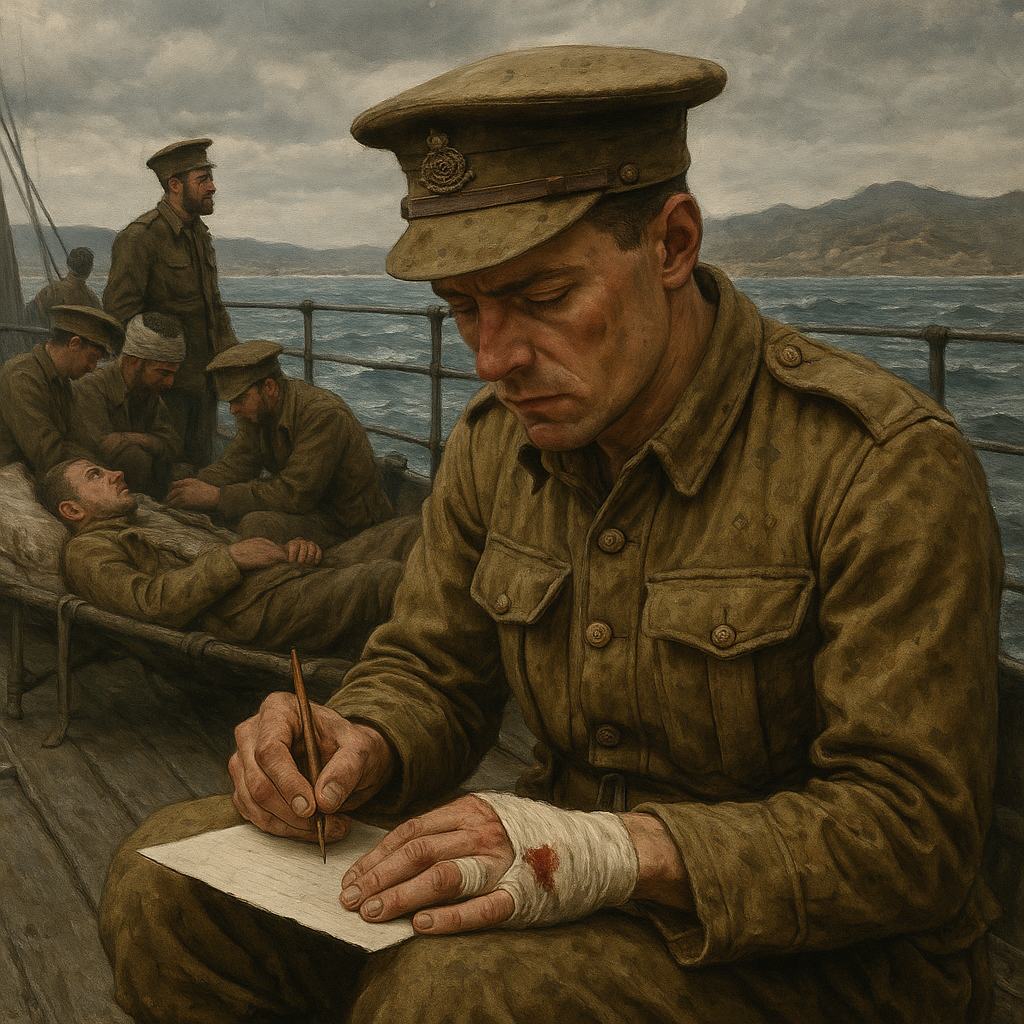
Dickson survived the initial blast but contracted Tetanus from the muddy shrapnel. In 1916, the British Army had a strict protocol: every wounded soldier received a prophylactic serum injection. This had reduced tetanus mortality by 90%.
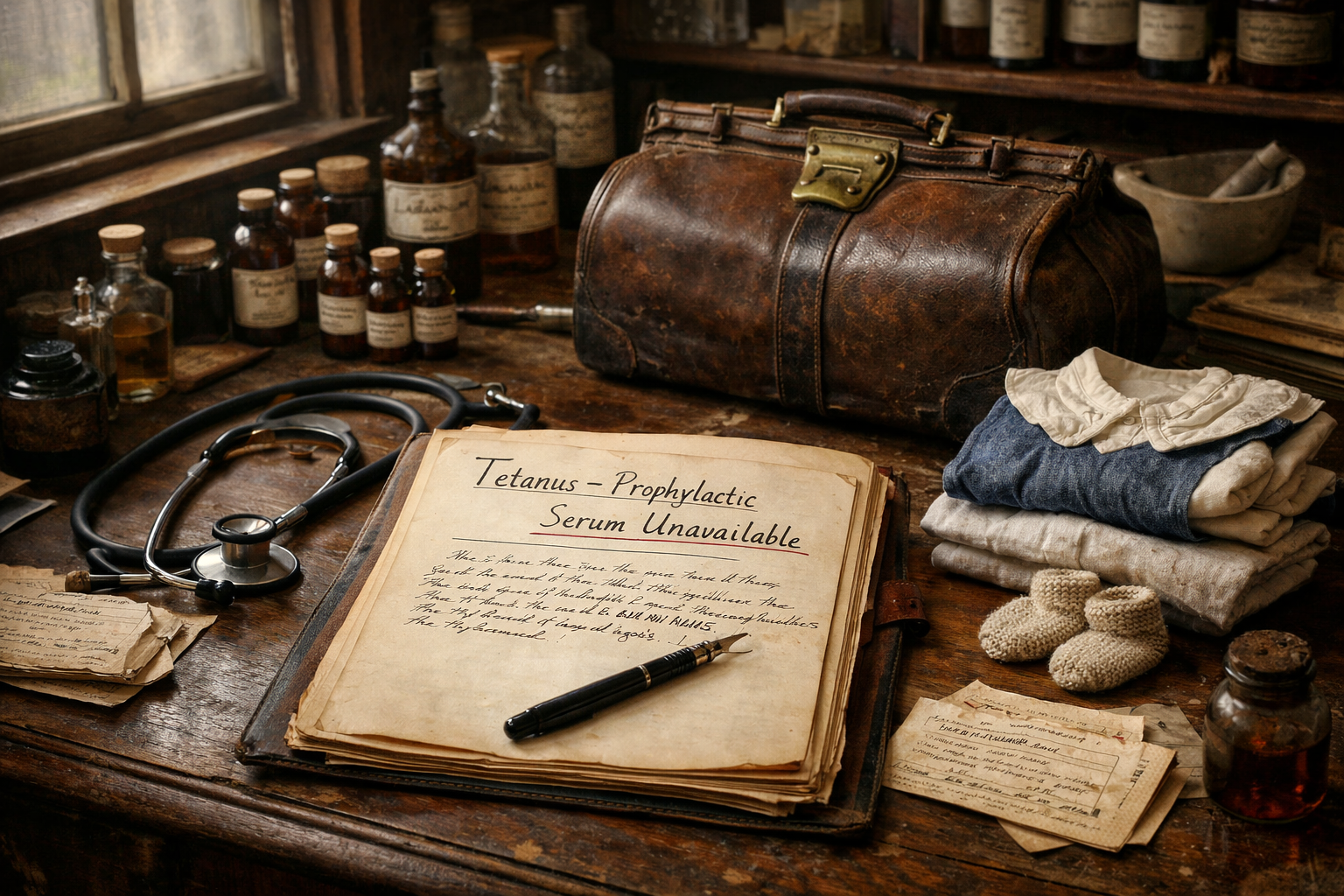
“There was a serum available but it was difficult to obtain as since the outbreak of war it had been commandeered by the military authorities.”
— Dr. Robinson, Senior Surgeon
Because Arthur was a civilian child, the life-saving serum was unavailable to him until symptoms appeared—by which time it was too late. He died an agonizing death on February 26, a victim of military logistical prioritization.
4. Case Data & Timeline
| Attribute | Harry Bateman | Arthur Dickson |
|---|---|---|
| Age | 8 Years | 9 Years |
| Injury | Abdominal Trauma | Leg Shrapnel / Tetanus |
| Cause of Death | Shock & Trauma | Tetanus (Serum Shortage) |
| Date of Death | Feb 14, 1916 | Feb 26, 1916 |
Legacy and Commemoration
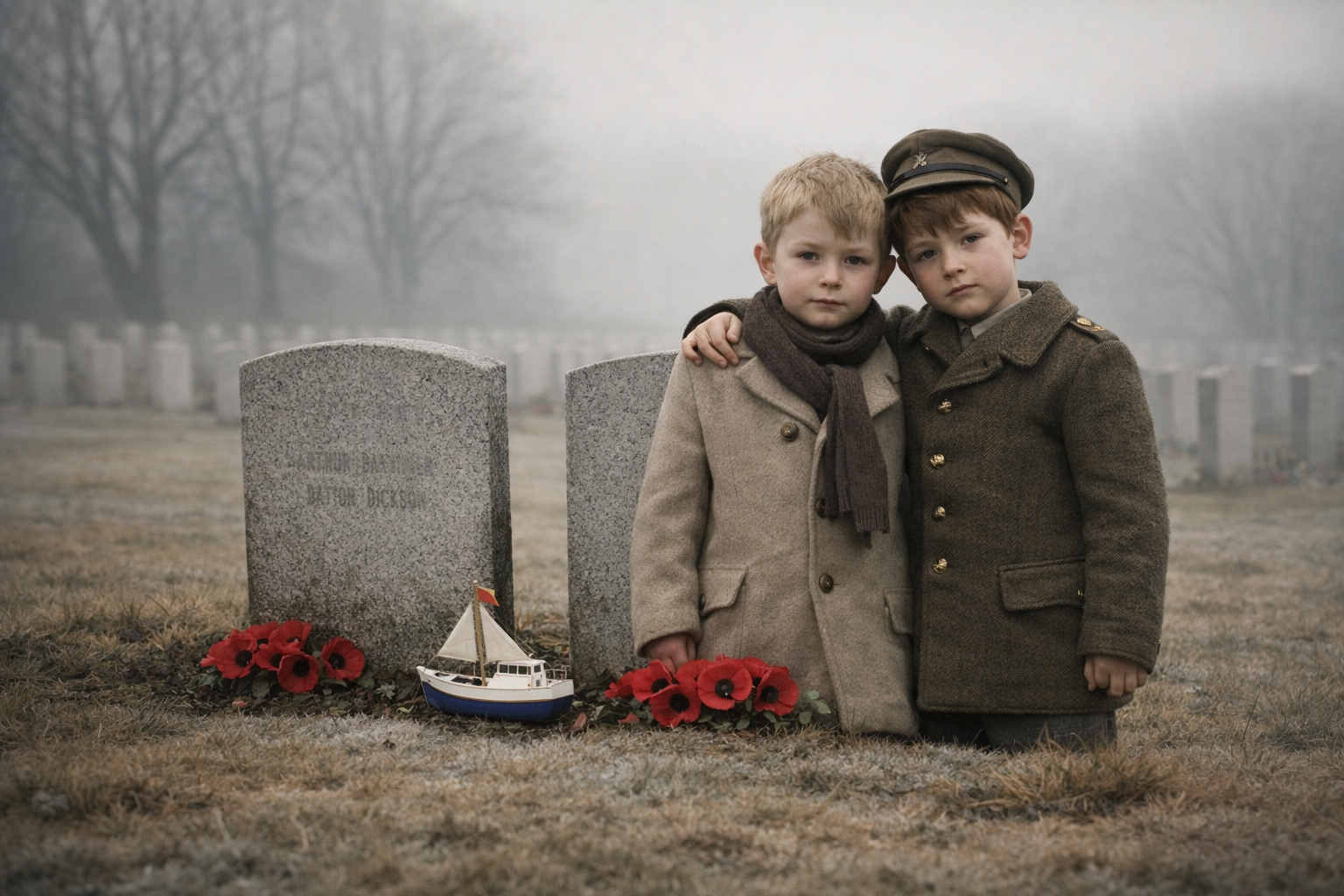
The inquests returned verdicts of “Accidental Death,” but the community knew better. In a tacit admission of responsibility, the garrison allowed the boys to be buried in the Fort George Military Cemetery, side by side with soldiers.
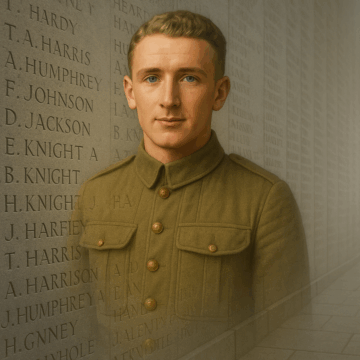
For decades they were forgotten, but today, Arthur Dickson and Harry Bateman are listed in the Civilian War Dead Roll of Honour at Westminster Abbey. Their small granite stones at Fort George stand as silent witnesses to the cost of the Great War on the quietest of Home Fronts.
Discover more from Guernsey Deep Dive
Subscribe to get the latest posts sent to your email.