Shadows Over the Islands — When War Came to Britain’s Shores
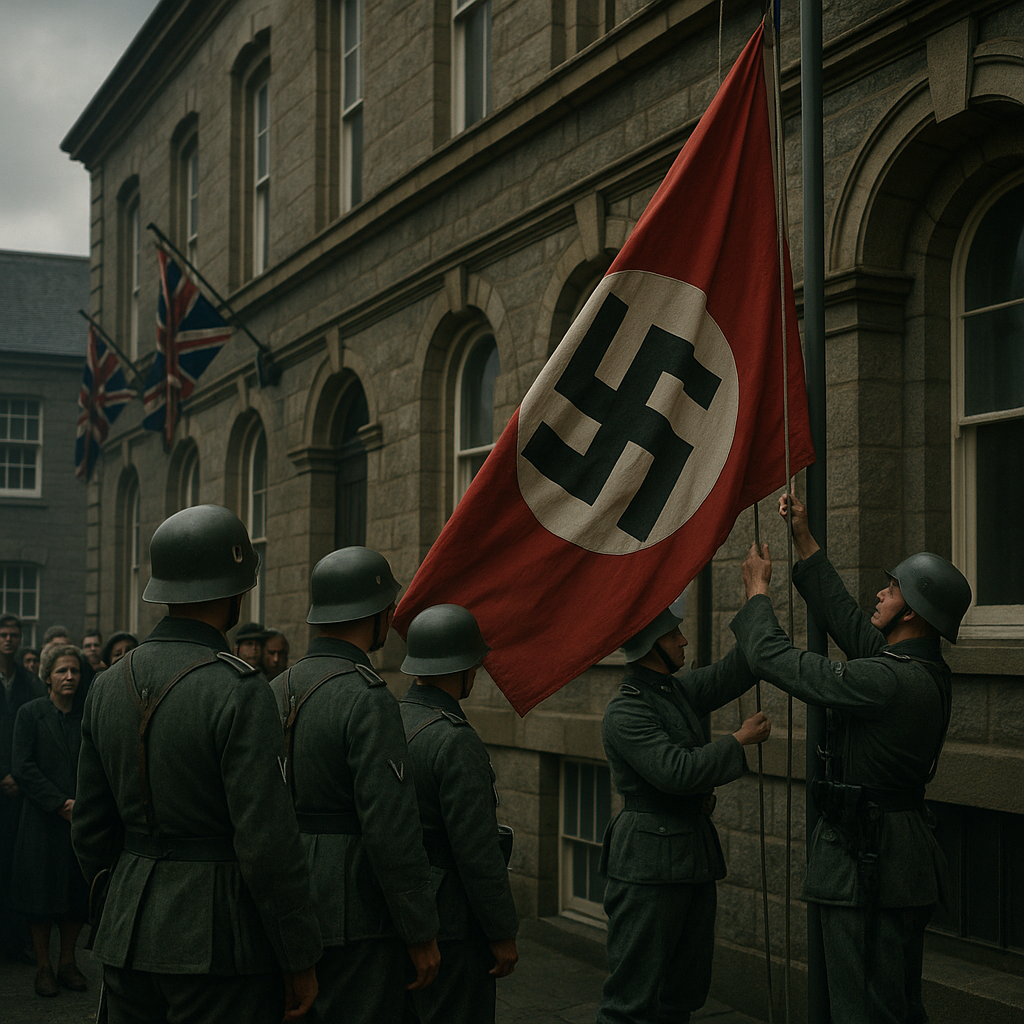
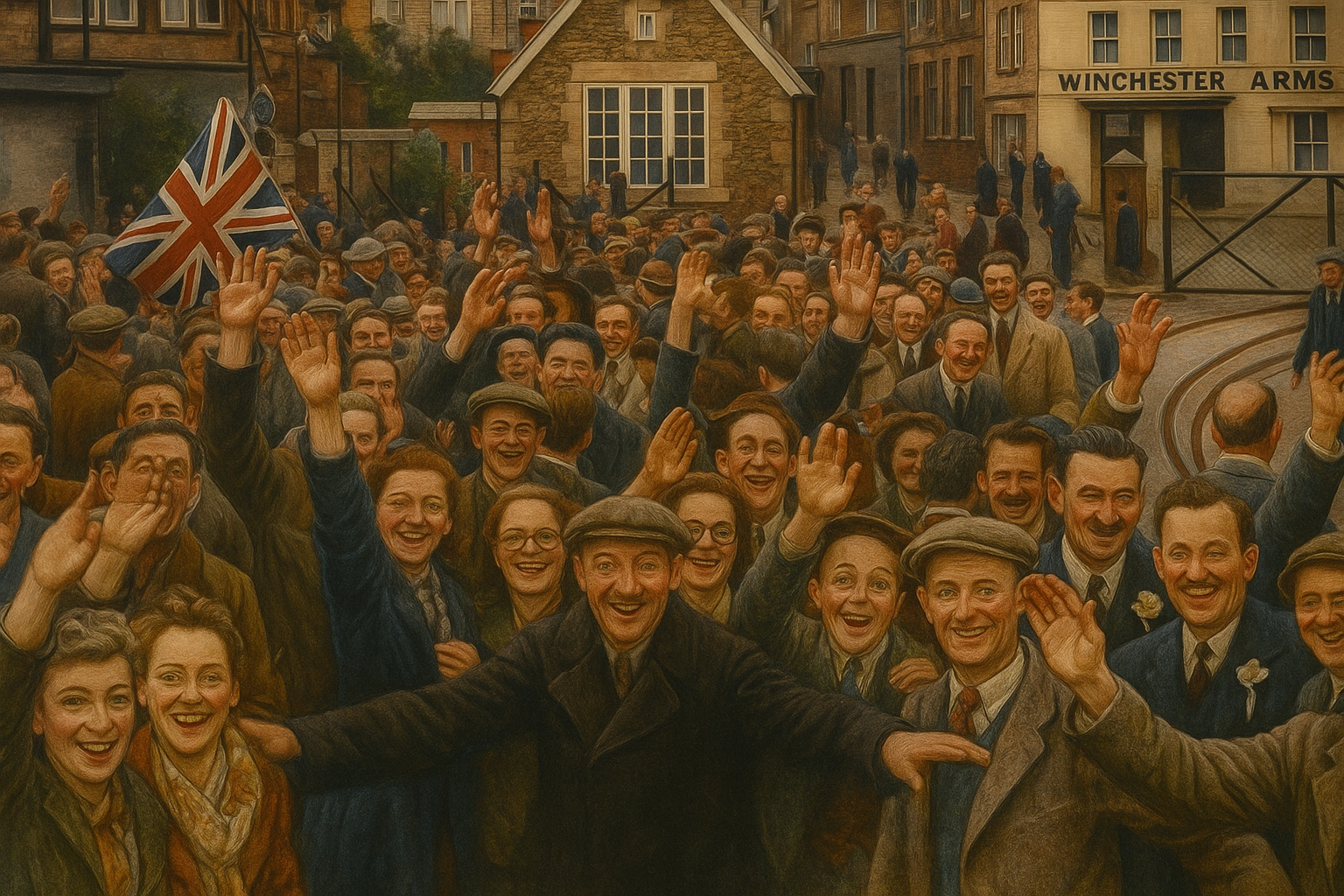
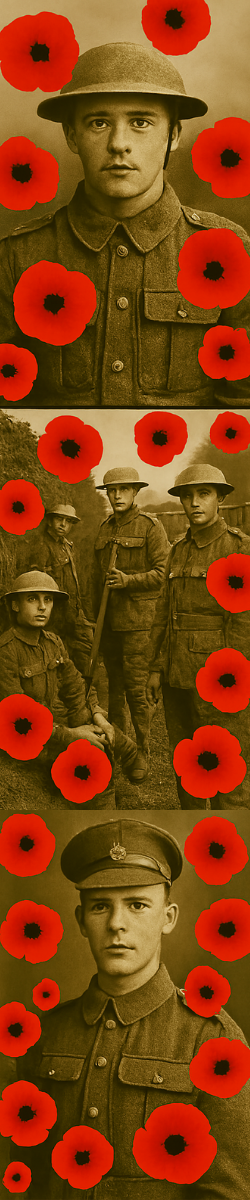
Between June 1940 and May 1945, the Channel Islands — including Guernsey — became the only parts of Britain occupied by Nazi Germany. Under that occupation, life for islanders became a daily negotiation between survival, resistance, and shame.
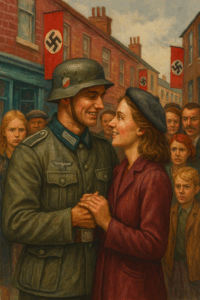
While some islanders resisted — risking life, hope, and freedom — a small number took paths that left scars much deeper than physical destruction. Among these were local women who formed relationships with German soldiers: derisively labelled “Jerrybags.” After the war, their children were disparaged as “traitor babies” and many mothers endured ostracism, suspicion, and lifelong prejudice.
Collaboration vs. Survival — A Fraught Human Reality
The label “Jerrybag” reveals a harsh truth: war inflicts wounds not only on the body, but on trust, identity, and memory.
On the one hand, such relationships were relatively rare. Historian Louise Willmott observes that in an occupation lasting five years, it is unsurprising that intimacy and human connection sometimes transcended imposed divides.
On the other hand, the social reaction was swift and brutal: a local Methodist minister’s diary, for example, records contempt for any woman seen walking with a German soldier; a journalist noted that those “girls being driven home by their German boyfriends” had betrayed Britain.
That combination — human instinct colliding with collective shame and fear — produced a legacy as toxic as any battlefield.
Resistance, Memory, and Long-Buried Stories
But the Islands’ experience during the occupation was not solely one of scandal and quiet betrayal. There were acts of bravery — often silent, often unseen, but powerful.
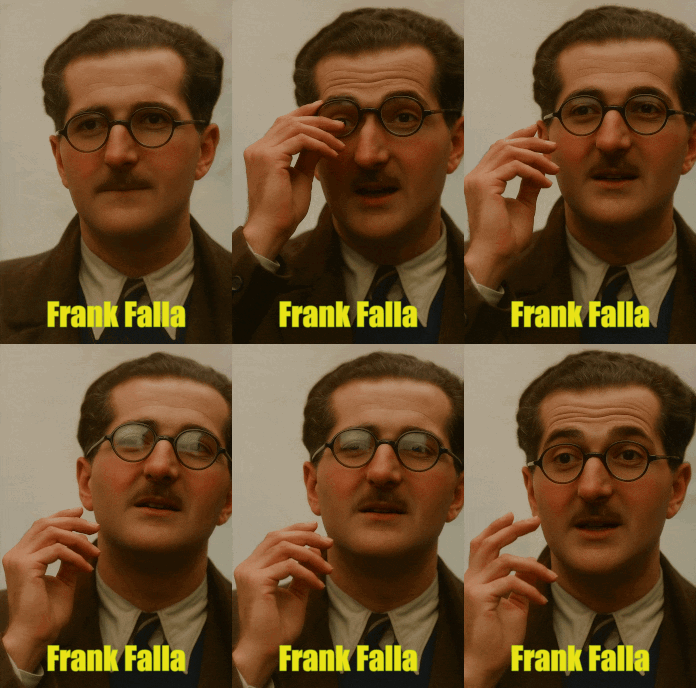
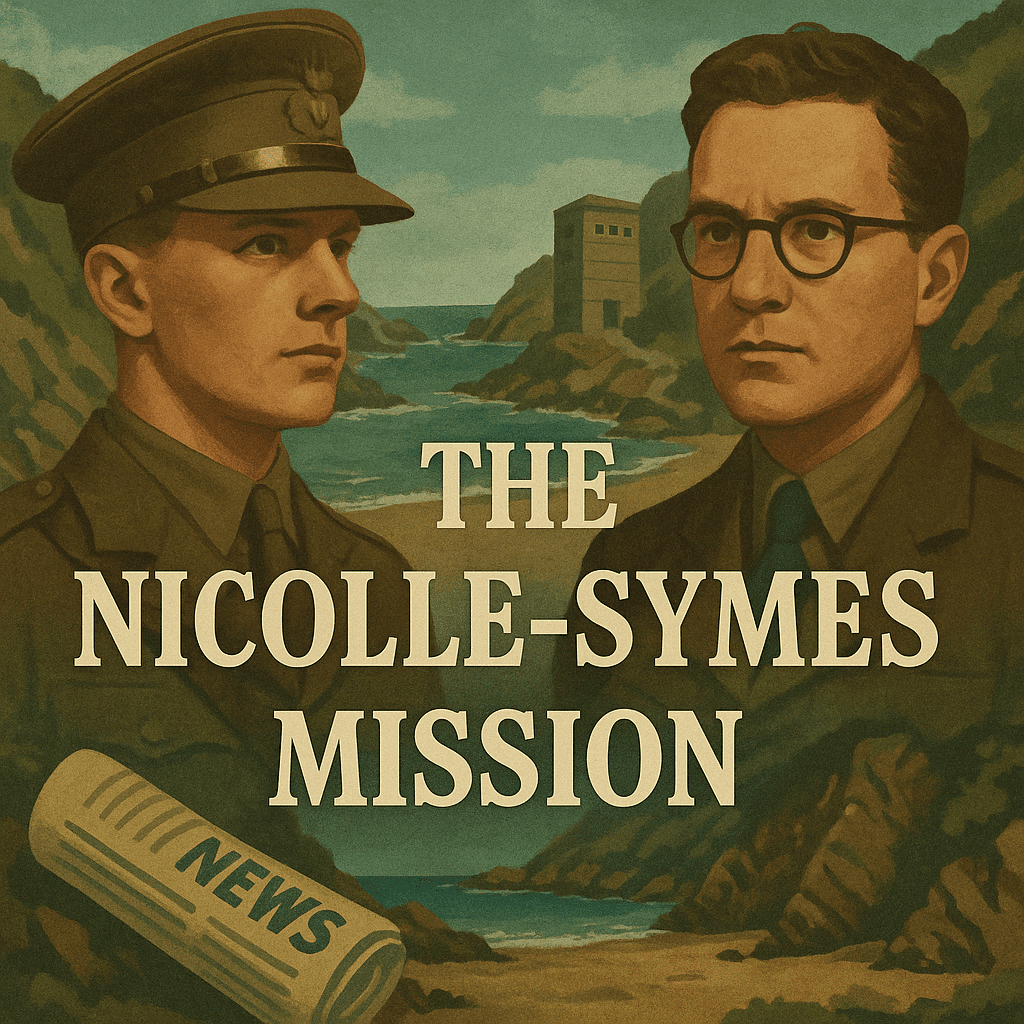
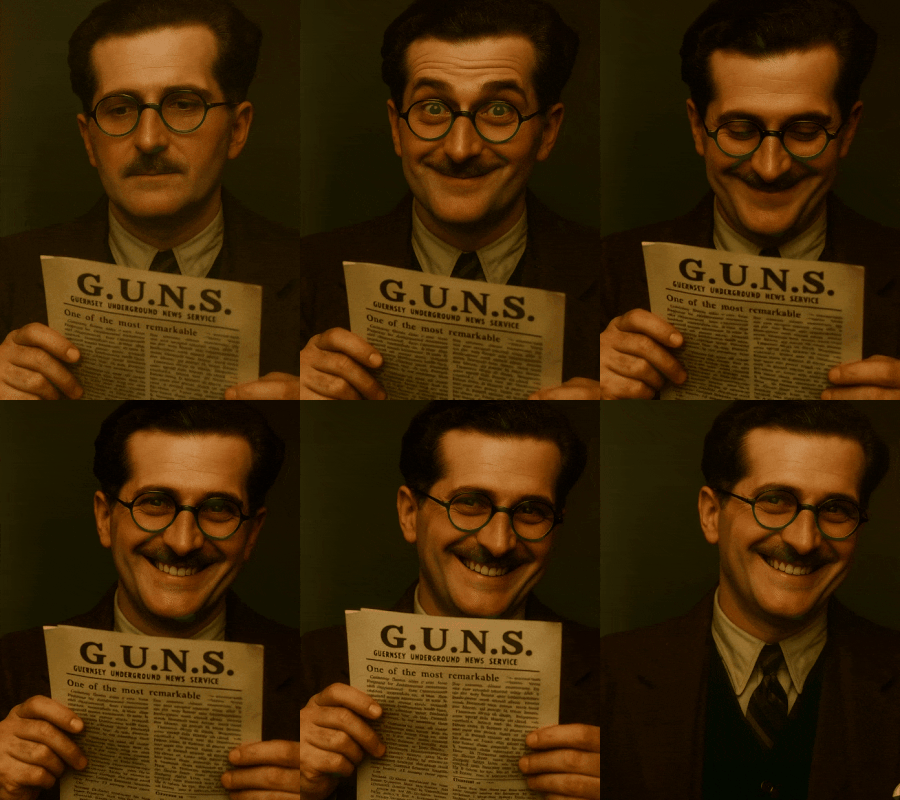
One of the most remarkable was the work of Guernsey Underground News Service (GUNS), founded by journalist Frank Falla and fellow islanders. GUNS produced secret newsletters that countered Nazi propaganda, delivered true news, and kept the flame of hope alive — at immense risk.
Their efforts, and those of others like artists Claude Cahun and Marcel Moore — who distributed anti-Nazi leaflets — remind us that resistance comes in many forms: pen, paper, quiet defiance.
Yet, for decades after liberation, these stories remained marginalised. Island authorities honoured administrative leaders — the bailiffs and governors — while the resistance fighters, persecuted and imprisoned, were largely ignored.
Why This Still Matters — Identity, Memory & Reckoning
Today, as a collective memory, the occupation of the Channel Islands is still complex — tinged with shame, fear, resistance, grief, and love.
The “Jerrybag scandal” forces us to confront uncomfortable truths: not all suffering under occupation is black and white, and human behaviour under pressure defies easy moral categorization. Relationships born out of occupation — as controversial and socially condemned as they were — were often rooted in human longing for connection and comfort amid terror.
Meanwhile, the stories of clandestine resistance — of those who risked everything to fight injustice quietly — deserve recognition and remembrance. These individuals remind us that courage doesn’t always roar; sometimes, it whispers on paper, or hides in a typed leaflet slipped under a door at night.
For islanders today, for descendants of those “traitor babies,” for us all — understanding these tangled histories matters. Memory isn’t only about heroes and villains. It’s about real people, messy choices, pain, hope, and the fragile flame of humanity under duress.
Further Reading & Reflection
-
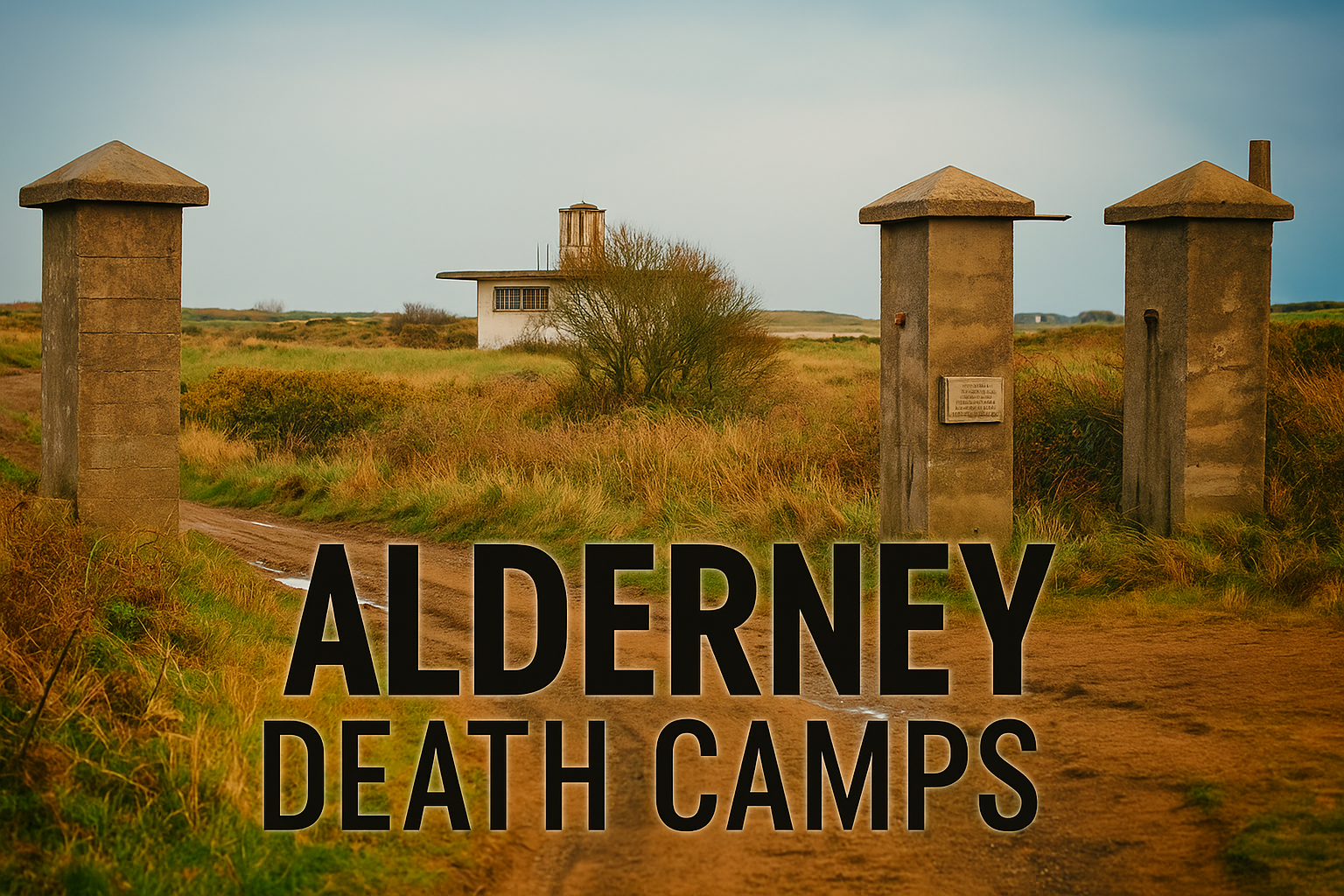
The research by Gilly Carr has been instrumental in documenting the fate of political prisoners from the islands — those sent to Nazi camps, many of whom never returned — and restoring their place in history. University of Cambridge